

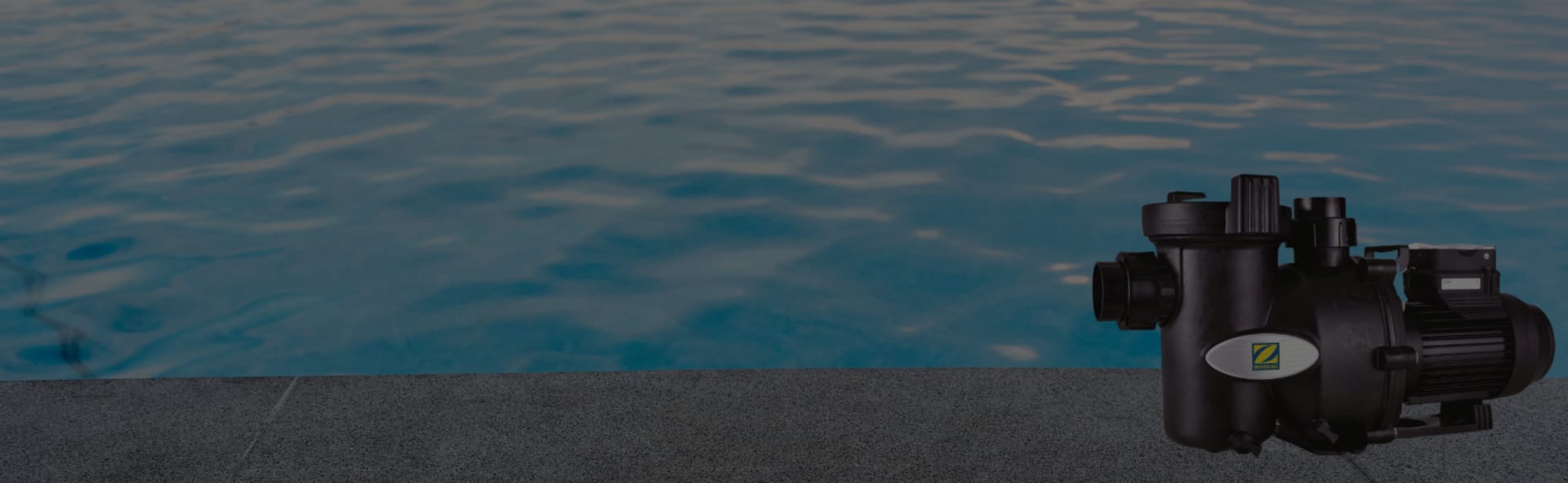
How Much Can You Actually Save With A Variable Speed Pump?
Understanding how your pool system works will enable you to troubleshoot potential problems more easily and build a foundation for learning about each piece of equipment, such as the pump, filter, or heater. This guide will explain the entire swimming pool plumbing and filtration system, complete with diagrams.
How Do Swimming Pool Systems Work?
Pool water moves in a continuous cycle driven by the pump. Equipped with an electric motor, the pump has an impeller that drives water through the skimmers (at the top of the pool) and the sumps (at the bottom), directing it to the filter. The clean, filtered water is then piped through the return nozzles (a series of small valves placed around the pool).

Above Ground Pool Cost
Above ground pools offer an affordable entry point into pool ownership. Their installation costs are generally lower than inground pools, which affects the supplementary expenses associated with them. These pools are often constructed using materials like steel, resin, or aluminium, each with pros and cons. Alternatively, you can choose a vinyl liner, which costs around $10,000.
Inground Pool Cost
Inground pools, on the other hand, come at a higher price point, ranging from $20,000 to $100,000 or more for the installation. The cost of an inground pool largely depends on your choice of materials:
Vinyl Liner Pool Cost
A vinyl liner pool comprises a vinyl sheet separating the water from the pool structure. Vinyl liner pools have lower initial costs compared to fibreglass or concrete pools. The price of complete installation can range from $20,000 to $70,000, with the average cost typically around $35,000. However, this type of pool is less cost-effective because the vinyl liner needs to be replaced every 5 to 10 years, which costs $3,000 to $6,000.
Fibreglass Pool Cost
A fibreglass pool is a type of swimming pool that is made from a single piece of fibreglass shell. The shell is manufactured using a mould in a factory. The cost of a fibreglass pool can vary depending on several factors, including your design preferences and additional features. These components can play a significant role in determining the overall cost of the pool. Factors that can affect the price of a fibreglass pool include the size and shape of the pool, accessibility of the location where the pool will be installed, soil excavation issues, and how well you want the pool to blend in with your backyard. Therefore, the cost can vary from $25,000 to $45,000.
Concrete Pool Cost
Concrete pools are durable, long-lasting, and can be customised according to your needs. However, known for their unlimited customisation options, concrete inground pools are the most expensive and take longer to build. You can expect the installation to average around $50,000, with costs ranging from $30,000 to $100,000, depending on your design choices and the extent of customisation.
Typically, the cost of a concrete pool is determined by its dimensions, which include size, shape, and depth. Naturally, larger pools are more costly than smaller ones because they take up more space. Additional factors such as accessibility and excavation difficulties can also impact the overall expense.
Additional Costs
Apart from the primary pool costs, you should also consider the following expenses:
Pool Architect

How Does it work?
After adding MagnaPool® minerals to the water, it passes through the Hydroxinator cell (clear canister), where the Anode and Cathode create a reaction that produces active chlorine. A byproduct of this reaction causes scale to form on the plates, to combat this, the polarity of the plates is reversed regularly.

The electrolysis principle:
The benefits of this process?
1. MagnaPool® generates 40% less chloramine than salt electrolysis + traditional filtration systems. 2. Chloramines develop 4 times slower with a MagnaPool® System than with manually-treated water or with salt electrolysis. 3. MagnaPool® treatment does not generate any very basic soda unlike salt electrolysis so there are no harmful effects on water balance.

Hydroxinator Specifications (per size model):
| Hydroxinator Mid iQ | Hydroxinator Large iQ |
|---|---|
Recommended pool size | 75,000L |
Nominal chlorine production | 25 g/h |
Operating modes | Normal = Adjustable by 10% increments from 0-100% Low = Adjustable range of 0-30% Boost = Continuous 100% for 24 hours |
Equipment control | Pump: Any single speed pump or Zodiac variable speed pump Lights: Any single colour light or Zodiac / Jandy sequence multi-colour light (with additional relay box) |
Salt level (recommended at 25°C) | 4,000ppm |
Cell protection | Temperature sensor controls chlorine output in cold water conditions, assisting to protect the cell against excessive wear and tear |
Power supply | 197W / 110-240 VAC / 50-60 Hz |
Dimensions | Powerpack: 370mm x 320mm x 100mm (HxWxD) Cell: 160mm x 320mm x 110mm (HxWxD) |
Recommended pool size
Hydroxinator Large iQ
75,000L
Nominal chlorine production
Hydroxinator Large iQ
25 g/h
Operating modes
Hydroxinator Large iQ
Normal = Adjustable by 10% increments from 0-100% Low = Adjustable range of 0-30% Boost = Continuous 100% for 24 hours
Equipment control
Hydroxinator Large iQ
Pump: Any single speed pump or Zodiac variable speed pump Lights: Any single colour light or Zodiac / Jandy sequence multi-colour light (with additional relay box)
Salt level (recommended at 25°C)
Hydroxinator Large iQ
4,000ppm
Cell protection
Hydroxinator Large iQ
Temperature sensor controls chlorine output in cold water conditions, assisting to protect the cell against excessive wear and tear
Power supply
Hydroxinator Large iQ
197W / 110-240 VAC / 50-60 Hz
Dimensions
Hydroxinator Large iQ
Powerpack: 370mm x 320mm x 100mm (HxWxD) Cell: 160mm x 320mm x 110mm (HxWxD)
Recommended Products

Similar Guides

5 Reasons Why Your Pool Is Still Green Or Cloudy After Shocking
Nothing beats going for a dip in your pool on a beautiful summer day. You go to your backyard only to be greeted with a pool that looks like it’s been on a week-long bender.
That’s right. You’ve got a green pool! :(