
Pool Installation Made Easy: Your How-To Guide
Congratulations on your new pool! Here you’ll find everything you need to know about installing your new pool, from filling it up for the first time, to treating it with chemicals. If you have any questions regarding the information below feel free to contact us.
Filling Your Pool with Water for the First Time
Follow these simple steps to get your new pool ready:
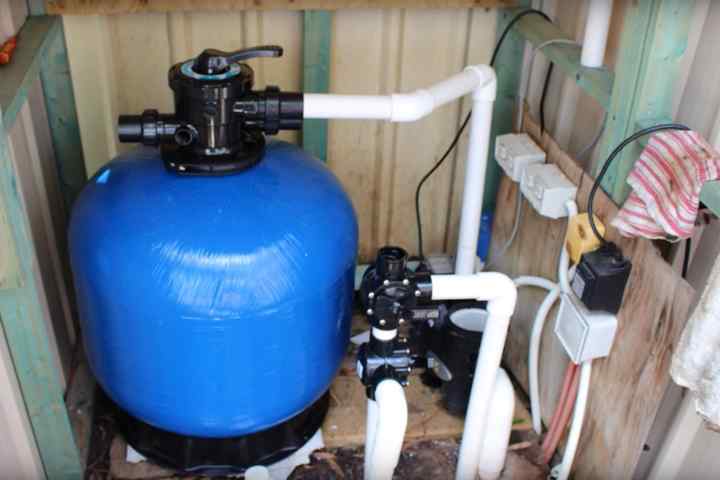
Check Filtration System
Make sure the filtration system is operational
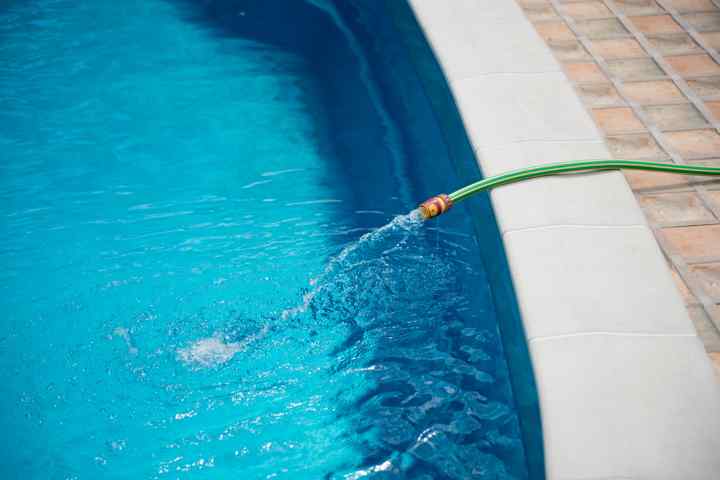
Fill pool
Fill the pool to the midpoint of the skimmer without stopping. Use clean water and place the hose in the deepest area with a rag on the end to protect the surface.
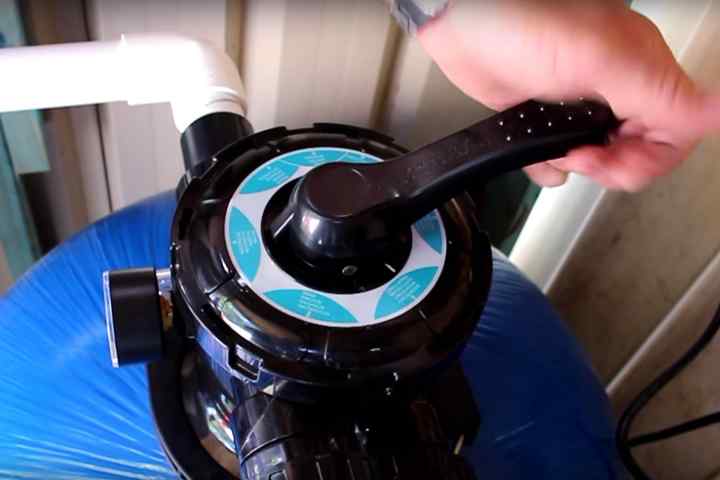
Start Filtration
Fill the pool to the skimmer level continuously using clean water to avoid a bowl ring. Place the hose in the deepest area and cover the end with a clean rag to protect the surface.
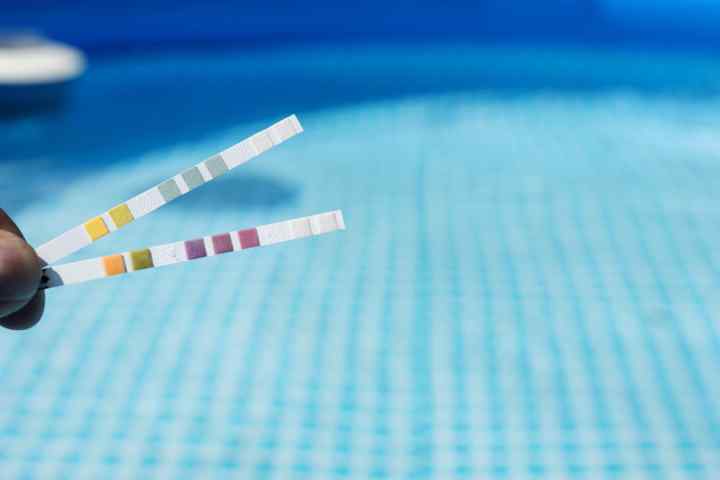
Test the Pool
Test the water in several areas, sampling 600–900 mm below the surface to ensure accurate readings.
Additionally:
At no time should any person or pets be allowed in the pool during the fill
To prevent streaking, do not allow any external sources of water to enter the pool
Do not swim in the pool until the water is properly balanced
Test the water for: pH, alkalinity, calcium hardness and metals
Don’t forget to record the results.
Treating Your New Pool with Chemicals
Important Note: Always Add The Chemical To The Water, Never Water To The Chemical.
The first couple of weeks after starting up your pool is the time to make sure everything is running right. You will need to check your water readings more often in the beginning.
Test the pool water and balance it to the recommended levels below as soon as the pool is filled:
pH: 7.2 – 7.8 (ideally 7.4)
Total Alkalinity (TA): 100 – 200ppm (ideally 120)
Calcium Hardness (CH): 200 – 300ppm (ideally 250)
Free Chlorine: 2 – 3ppm
Cyanuric Acid (CYA): 30 – 50ppm
Be sure to:
Allow some time for the water to balance out
Take it slow and add only one chemical at a time
Allow for one full turnover (usually 12 hours) before re-testing and make another adjustment if needed
Addressing pH in Your Pool
The first thing you need to address is the pH of the pool. If your pH is out of range, nothing you add to your pool will work efficiently, including chlorine. The balance of your pool water depends on the proper pH to function correctly. pH directly affects a whole variety of factors, and a good pH falls within a narrow band of 7.2 – 7.6. Follow the recommended amount (based on your pool volume size), add the amount you need and then re-test after one full turnover (usually 12 hours).
Sanitising Your Pool
The next start-up chemical you will need is sanitiser, the most common of which is chlorine. Chlorine comes in many easy-to-use forms - solid tablets, liquid and granules - and is available from several retail outlets. A saltwater chlorinator is another very popular option for automatic chlorine production, as it is, in effect, a mini chlorine gas factory.
At first, you’ll add chlorine in what’s called "shock" levels – an extra heavy dose to start your pool off. A shock dose coupled with extra circulation will ensure that all the water gets treated properly in the beginning. Keep swimmers out of the pool while shocking, as chlorine at elevated levels can irritate mucous membranes and cause general discomfort. Ensure all equipment, like pool cleaners and pool covers, are removed during this process.
Addressing Alkalinity in Your Pool
Now it's time to keep the water hardness in check, otherwise known as alkalinity. Think of pH as an air conditioner that cools your home, and alkalinity is the thermostat that adjusts your temperature. The two are linked, meaning one changes with the other. Alkalinity is important since water that is too hard negatively affects your pool pump seals, o-rings, jet nozzles and immersed equipment.
Lastly, make sure you add some algaecide for good measure. Most people think algaecide is only for when you see algae. However, it should also be used as a preventative treatment. Use an algaecide before you have a need for it, and keep the nasties at bay.
How to Start Up a Concrete Pool
Salt
For concrete pools, salt should not be added to the pool for at least 4 weeks. Calcium levels will increase as the concrete cures. DO NOT add calcium for at least 4 weeks, and then add it ONLY when required.
Protecting the Concrete Pool Interior Finish
The pool’s cement interior will start its crystallisation (hardening) process once mixed with water, and most of its internal chemical hardening will take place within the first 28 days. This critical time period is when a pool interior finish is at its most susceptible to staining, scaling and discolouration. Proper start-up procedures, including timely brushing, constant monitoring and adjusting the pool water, are mandatory.
Due to unique local water conditions and environmental factors, some of the recommended start-up procedures outlined here may need to be modified to protect the pool finish. For example, if filling your pool with local water that has low calcium hardness, low pH or low total alkalinity levels, you may need to take different start-up steps.
Brushing and monitoring chemical adjustments will be mandatory by the homeowner or a trained pool technician during the service life of any pool surface.
To find a pool technician in your area, click here.
If you have any questions regarding starting up your pool, contact us.