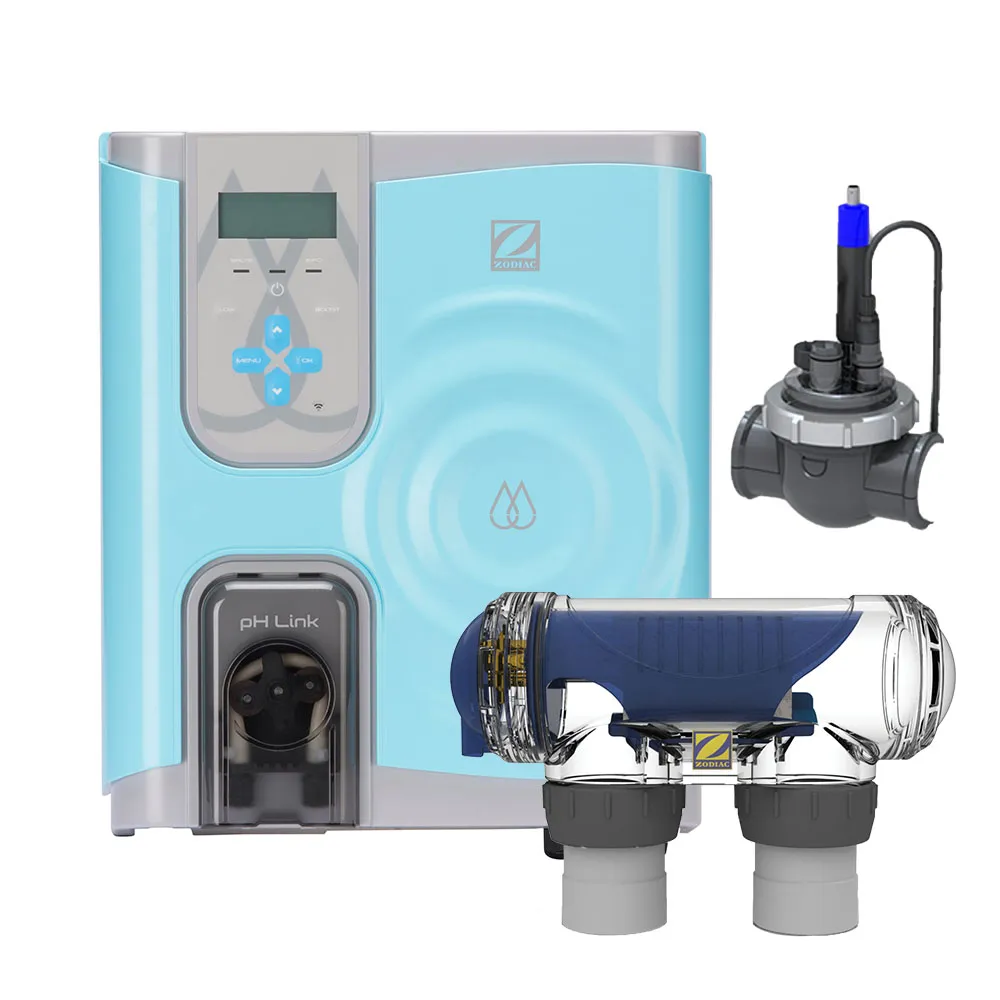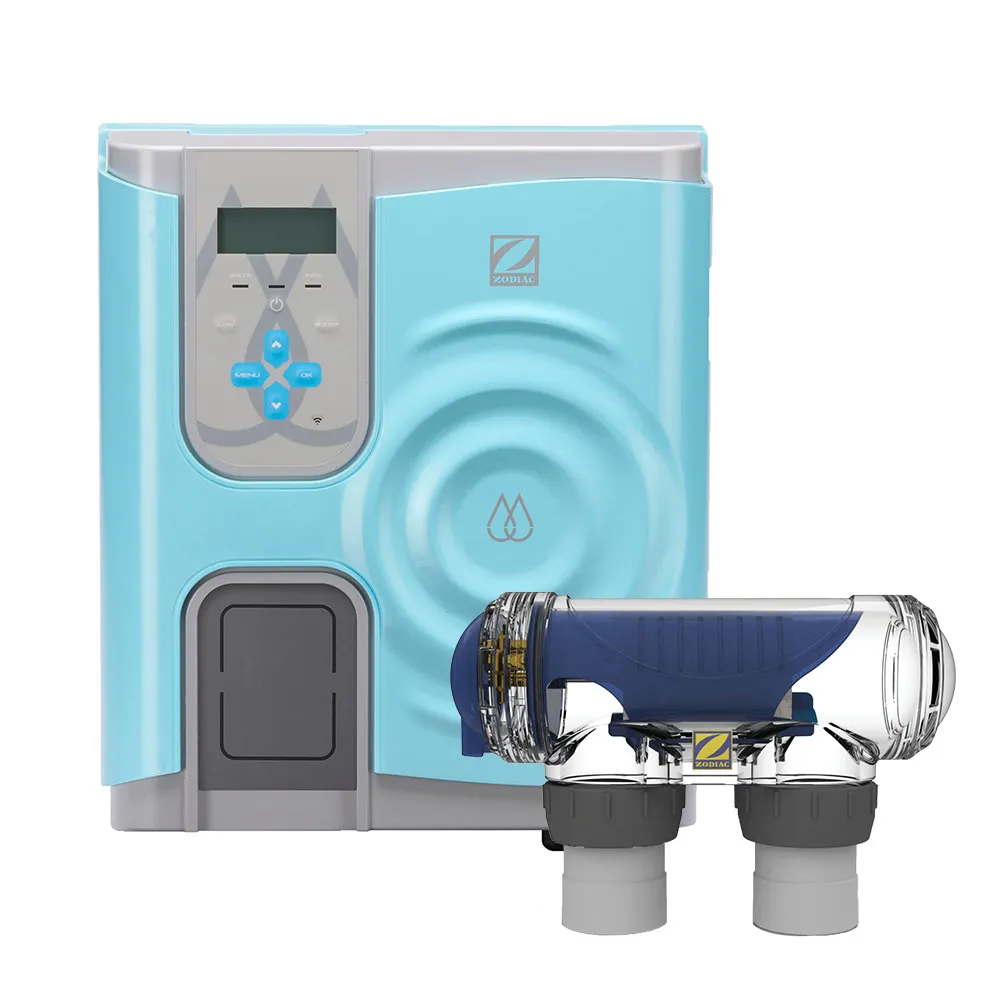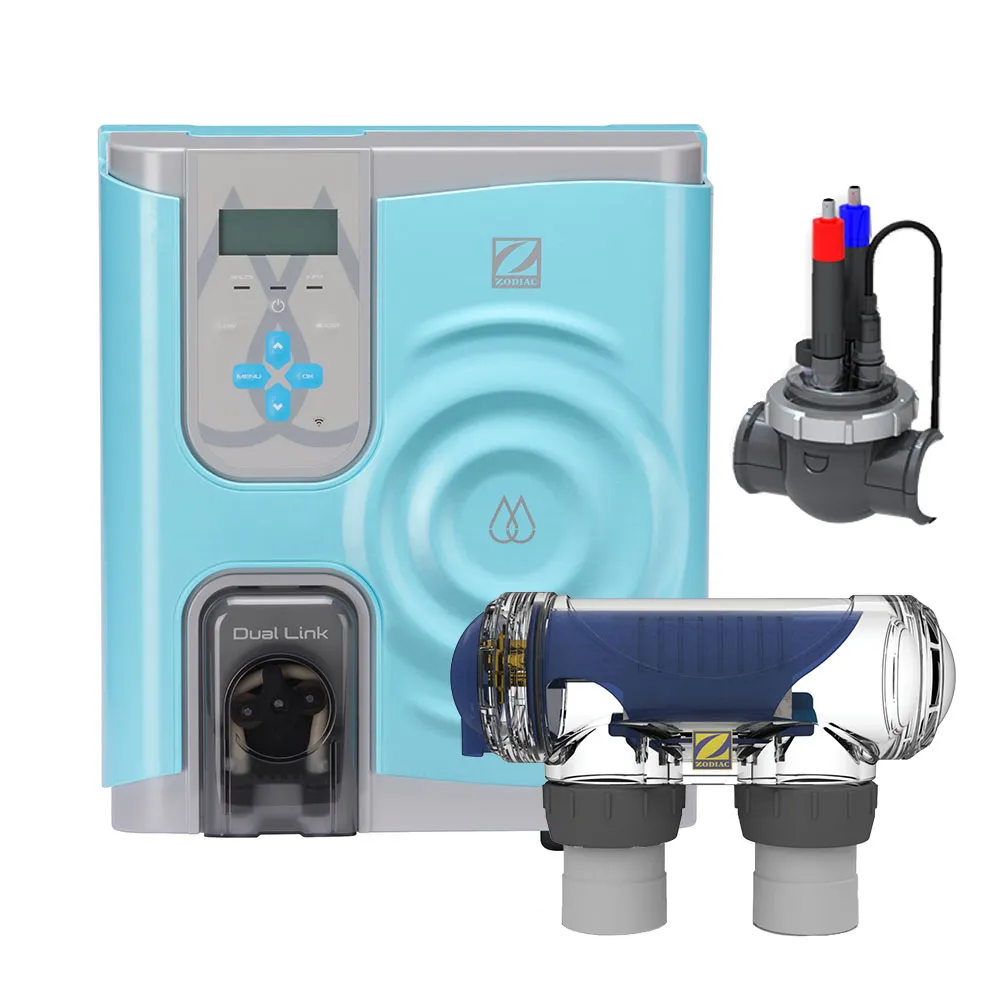

How Does The MagnaPool® Hydroxinator Work?
A MagnaPool® has the potential to greatly improve bathing comfort for swimmers, both young and old. Our goal is to allow all pool owners to enjoy the benefits of water that is softer, silkier, clearer and smells better than traditional pool water. More than 20% of swimming pool owners in Australia have a family member with a skin or respiratory condition who stands to benefit from MagnaPool® the most. Utilising the same minerals that are found in natural mineral springs, magnesium and potassium, a MagnaPool® is gentle on skin, hair and eyes and can greatly reduce the discomfort people with sensitive skin normally feel in salt or manually chlorinated pools.
But what makes a pool and MagnaPool®? Aside from the MagnaPool® minerals, the Hydroxinator plays a pivotal role in the MagnaPool® system. Working on the principle of electrolysis, it sanitises the water, keeping it crystal clear and giving it a silky smooth feeling against your skin. In 2019, we launched the Hydroxinator® iQ, which supersedes the previous generation of MagnaPool® Hydroxinators, offering new technologies and a better overall experience.
This new Hydroxinator is equipped with iAquaLink control, with upgrades available for pH and ORP management, combining cutting-edge intelligence with beautiful design to provide the ultimate mineral pool water management solution.

How Does it work?
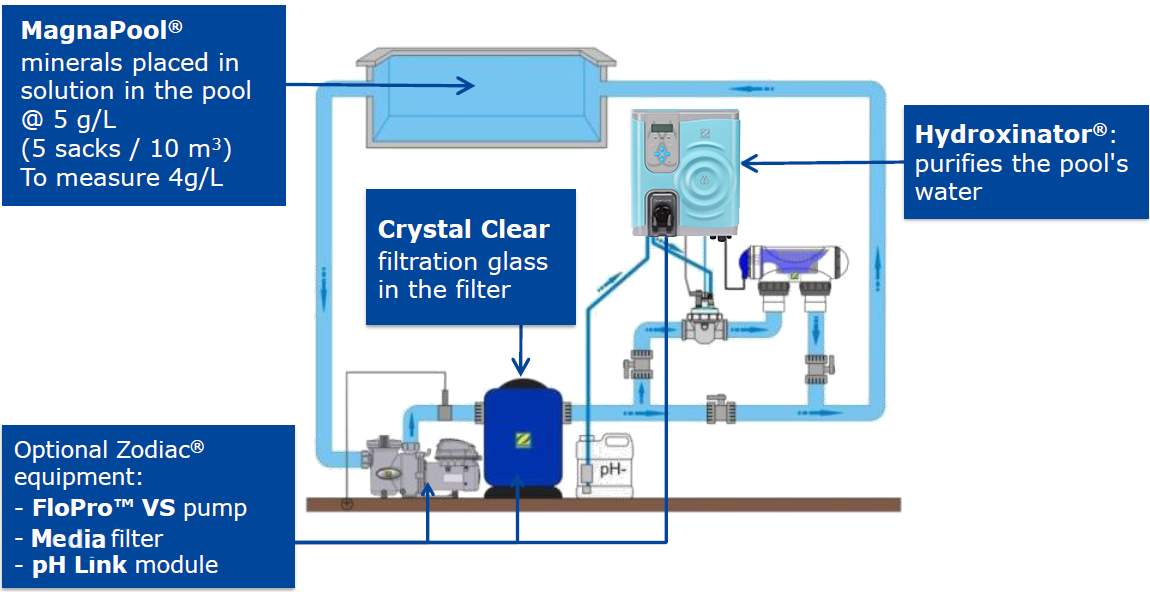
The Electrolysis Principle:

After adding MagnaPool® minerals to the water, it passes through the Hydroxinator cell (clear canister), where the Anode and Cathode create a reaction that produces active chlorine. A byproduct of this reaction causes scale to form on the plates, to combat this, the polarity of the plates is reversed regularly.

The benefits of this process?
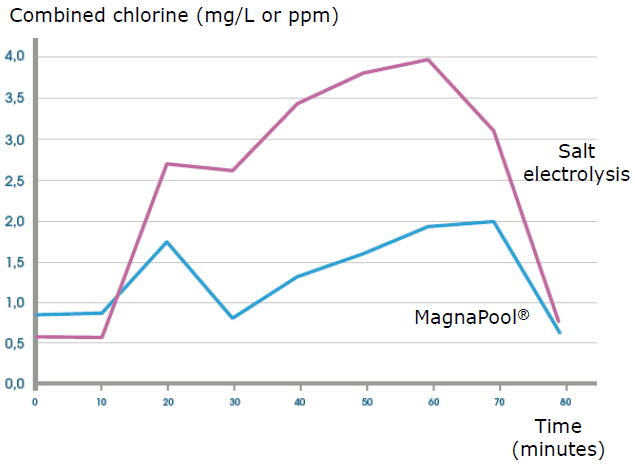
MagnaPool® generates 40% less chloramine than salt electrolysis + traditional filtration systems.
Chloramines develop 4 times slower with a MagnaPool® System than with manually-treated water or with salt electrolysis.
MagnaPool® treatment does not generate any very basic soda unlike salt electrolysis so there are no harmful effects on water balance.
Hydroxinator Specifications (per size model):
| Hydroxinator Mid iQ | Hydroxinator Large iQ |
|---|---|
Recommended pool size | 75,000L |
Nominal chlorine production | 25 g/h |
Operating modes | Normal = Adjustable by 10% increments from 0-100% Low = Adjustable range of 0-30% Boost = Continuous 100% for 24 hours |
Equipment control | Pump: Any single speed pump or Zodiac variable speed pump Lights: Any single colour light or Zodiac / Jandy sequence multi-colour light (with additional relay box) |
Salt level (recommended at 25°C) | 4,000ppm |
Cell protection | Temperature sensor controls chlorine output in cold water conditions, assisting to protect the cell against excessive wear and tear |
Power supply | 197W / 110-240 VAC / 50-60 Hz |
Dimensions | Powerpack: 370mm x 320mm x 100mm (HxWxD) Cell: 160mm x 320mm x 110mm (HxWxD) |
Recommended pool size
Hydroxinator Large iQ
75,000L
Nominal chlorine production
Hydroxinator Large iQ
25 g/h
Operating modes
Hydroxinator Large iQ
Normal = Adjustable by 10% increments from 0-100% Low = Adjustable range of 0-30% Boost = Continuous 100% for 24 hours
Equipment control
Hydroxinator Large iQ
Pump: Any single speed pump or Zodiac variable speed pump Lights: Any single colour light or Zodiac / Jandy sequence multi-colour light (with additional relay box)
Salt level (recommended at 25°C)
Hydroxinator Large iQ
4,000ppm
Cell protection
Hydroxinator Large iQ
Temperature sensor controls chlorine output in cold water conditions, assisting to protect the cell against excessive wear and tear
Power supply
Hydroxinator Large iQ
197W / 110-240 VAC / 50-60 Hz
Dimensions
Hydroxinator Large iQ
Powerpack: 370mm x 320mm x 100mm (HxWxD) Cell: 160mm x 320mm x 110mm (HxWxD)
Hydroxinator sizing guide:

To learn more about the MagnaPool® Hydroxinator or to have one installed, try connecting with a local MagnaPool retailer using our Dealer Locator.